

In 1995, I spent my first salmon season fishing in Kodiak, Alaska aboard the F/V Sea Mint, a 58-foot limit seiner built with a ferro cement hull back in the 1970s. A small fleet of these boats had been constructed during that era to experiment with the material, and the rounded hull gave the Sea Mint a reputation for handling rough weather well. The boat rolled constantly, and I was seasick for the first two weeks onboard. I seriously considered quitting more than once. By the end of the summer I had lost over 20 pounds, though honestly, I probably needed to.
The boat smelled like diesel fuel and wet wood, and I’ll never forget the constant idle of that old Caterpillar motor originally pulled from a retired bulldozer. During salmon season, that engine often ran for days straight. We usually only shut it down long enough to add oil and restart it before it got cold.
The Sea Mint had six bunks, a stand-up engine room, a full galley, and held enough fuel and water to stay out fishing for extended periods. Kodiak summers meant long daylight hours, harsh storms every couple weeks, and fishing schedules that often stretched 16 to 20 hours a day. Six straight hours of sleep was rare. Most of the time we were exhausted, cold, sore, hungry, or all four together.
The previous owner of the Sea Mint was an old fisherman we all called Whitey. He had just retired after roughly 40 years of fishing. Whitey was short, broad, and quiet. He helped us get the boat seaworthy for the summer salmon season and taught us the quirks, like using the pony motor to start the diesel engine. I didn’t know him well personally, but the stories about him were everywhere. One of the favorites was that when he ran the boat, he made his crew eat pink salmon and rice multiple times a week to save money on groceries. When our crew first took over the Sea Mint, we also found plenty of old Spam onboard from Whitey’s days running the boat.
When I first stepped onboard the Sea Mint, the boat had been purchased by a reputable fisherman who hired Captain Kane Fisher to run it. Kane already had solid experience fishing in Alaska and had earned a reputation as a top hand. That summer was Kane’s first year running a boat as captain, and it was also the first salmon season for Logan and me. The three of us had all attended New Mexico State University and played intramural rugby together before heading north. Kane hired us as greenhorns, while Mikey, who already had several seasons under his belt and most recently worked aboard a high liner, helped train us through that first summer with a relentlessly positive attitude.
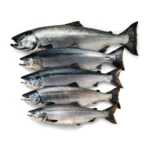
Red salmon was considered the “money fish,” valuable, durable, and heavily desired by processors and export markets. Kane preferred silver salmon. Among many fishermen and captains, silver salmon was often the fish people most wanted to eat themselves. Kane liked silver salmon because it was rich like king salmon, but smaller, milder, and easy to eat often when you were hungry and working hard at sea.
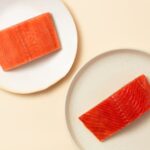
We ate salmon onboard regularly, usually at least once a week and often more. As the cook onboard, I prepared most of the meals for the crew. Sometimes we made salmon nuggets that were beer battered and deep fried. Other times Kane preferred the silver salmon fileted, pin-boned, briefly brined in seawater, and baked skin-on with mayonnaise and sliced onions. It was usually served alongside rice and cabbage slaw because cabbage, carrots, and onions held up well on long trips offshore.
Nobody talked about omega-3s, astaxanthin, or nutrition trends back then. We were simply hungry young fishermen trying to stay warm, full, and in good spirits through long days and rough weather. Serious food mattered onboard, and that contributed greatly to morale.
One detail I still remember clearly is that Kane always scooped out the salmon belly for himself and left the rest of the filet for the crew. He also introduced me to sea urchin roe and cooked crab guts eaten straight from the ocean, which became my first introduction to what people now casually call sushi.
The first salmon I ever truly remember enjoying was fresh silver salmon eaten onboard the Sea Mint.
Captain Kane’s Coho
Ingredients
Coho salmon filet, skin on
Mayonnaise
White or yellow onion, sliced
Salt
Pepper
Method
Lay the salmon filet skin-side down in a baking dish. Spread a thin layer of mayonnaise over the top and cover with sliced onions. Season lightly with salt and pepper.
Bake until the onions soften and the salmon flakes easily with a fork. Serve with rice and simple cabbage slaw.
Not fancy, but after a long day on the water, it was exactly what we wanted to eat. Some things stay with you. If you’d like to taste the fish Alaska fishermen respected so much, come see us Saturday.
Eat Well,
Kenny




4 Comments
Well done, well written, best piece you’ve ever written, Kenny. Thanks!
Thanks, glad you enjoyed it! Definitely some of my most cherished fishing memories.
Kenny,
This is an insightful article. Besides entertaining, it reveals the virtues of persistence and endurance. Thanks for sharing it with us. I look forward to seeing you soon.
Thank you for the feedback! We appreciate you and look forward to seeing you too.