

In our last note, we talked about real honey, why it crystallizes, and what that natural change tells us about how honey is handled and what it retains. Today’s newsletter builds on that foundation by focusing on another concentrated food from the hive: bee pollen, what it is, why it matters nutritionally, and how to use it thoughtfully.
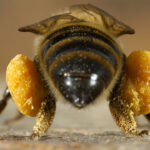
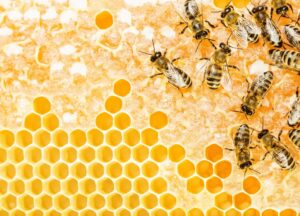
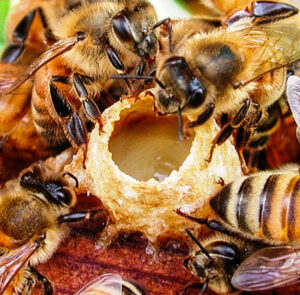
Bee pollen begins in the field. As bees move from bloom to bloom, pollen clings to their bodies and is packed into small “baskets” on their legs to carry back to the hive. Beekeepers collect a portion of it using a screen at the hive entrance that gently brushes off some of those pellets as the bees pass through, leaving the rest for the colony. What’s collected is exactly what the bees gathered from the landscape around them, compressed into a whole food.
Because it reflects the plants bees forage from, bee pollen naturally raises questions about what it contains and how it supports the body. One question that came up a few weeks ago at market was whether bee pollen is a whole food source of copper. It came from a customer who was clearly well versed in nutrition and paying close attention to trace minerals. The answer is yes, and that question opens the door to a much broader nutritional picture.
Bee pollen is one of the most nutrient dense foods found in nature. It contains a full spectrum of B vitamins, along with trace minerals such as copper, magnesium, manganese, zinc, and iron. These nutrients support energy production, metabolic function, connective tissue health, and overall resilience. Copper, in particular, works closely with iron and plays a role in cellular energy, yet it is a mineral many people do not get enough of through modern diets. Bee pollen offers these nutrients in a food based, highly bioavailable form.
Seasonal support is another reason many people reach for bee pollen. It is not medicine, and it is not a quick fix. Instead, it is often used gently and intentionally during times of exposure. In my experience, people tend to overuse it. There is no standard dose, and individual responses vary. Starting small is key. Micro dosing, just a few grains at a time, allows the body to respond without being overwhelmed and gives you space to observe what works best for you.
Bee pollen is also widely used for sustained energy. We have many athletic clients who incorporate it into their routines for steady, long lasting fuel rather than a spike and crash. This kind of feedback shows how this food is being used in real life, not as a supplement trend, but as nourishment.
When it comes to everyday use, smoothies are by far the most common choice we hear at market. They’re simple, familiar, and an easy way to incorporate bee pollen into a daily routine. Bee pollen also has a lightly floral, honeyed crunch that works beautifully sprinkled over yogurt or açai bowls, or even eaten plain by the pinch.
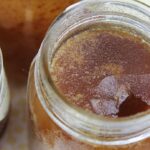
We also carry Power Honey, our honey and pollen blend. Honey is the foundation, with pollen thoughtfully incorporated to make daily use simple and approachable. The honey softens the intensity of the pollen and encourages consistency. Beginning now, ahead of allergy season, gives the body time to adjust gently.
And because food should be both nourishing and enjoyable, here is a simple way to use bee pollen in a savory application.
Simple Bee Pollen Vinaigrette
Whisk together:
2 tablespoons Bariani olive oil
1 tablespoon apple cider vinegar or fresh lemon juice
1 teaspoon Dijon mustard
1 teaspoon raw honey
½ teaspoon bee pollen
Sea salt to taste
Let the vinaigrette rest for a few minutes before serving so the pollen softens slightly. Drizzle over greens, roasted vegetables, or grain bowls.
Next time, we’ll venture a little further into the weeds. We’ll look at how the plants around us are chosen, how pollen shows up in our daily environments, and why some modern choices may be quietly shaping what we experience during allergy season.
Stay well fed,
Brenna & Kenny

1 Comment
What a cool newsletter, I never knew how minerally dense bee pollen is! Thanks for this super useful information. I hope you guys are all doing great!